Enter a keyword below to search for articles and products.
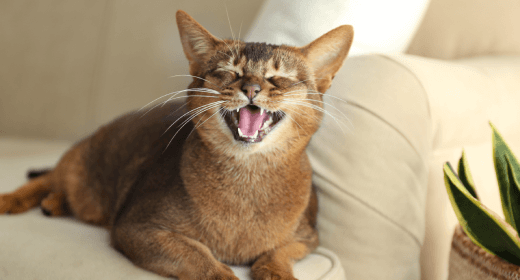
Have you ever wondered about the mysteries behind a cat's purr? It is not just a simple sound, but a blend of feline physiology at work. Cats achieve their signature purr through rapid contractions and relaxations of their laryngeal muscles, around 150 times per second. This creates that familiar, soothing and resonant sound we all adore. And as your cat takes each breath, the airflow caresses these vibrating muscles adding more depth to its purr. In this blog, we will look into the secrets behind this enchanting feline phenomenon.
Purring is a feline’s versatile tool of communication. Sure, cats purr when they are happy and comfy, but they can also purr when they are stressed, in pain, or even when they are hungry – it is like a cat crying for some attention. And here is a fun fact: mama cats purr to bond with their kittens, and kitten sounds are indicators of the little ones telling mom everything is fine.
Let us dive into the details of different cat sounds because they might just be trying to tell you something important.
Cats are like mysterious little furballs, and their purring adds another layer to the enigma. So, what exactly are they trying to convey when they turn on the purr engine?
When your cat is in its happy place – curled up on your lap or basking in a sunbeam – that gentle purring is often a sign of pure contentment. In cat language, it means, 'Life is good right now.'
Cats are known for their independent streak, but when they snuggle close and start to purr, it is a clear sign of love and bonding. It is a cat’s way of saying, 'You are my favorite human, and I adore you.'
Ever noticed your cat purring when you are in the same room but cannot see her? That is her way of announcing her presence, like a cat crying as a GPS locator, 'Don’t worry, I am nearby.'
It is not all sunshine and rainbows. Cats may also purr when they are in pain or discomfort, which can be akin to a kitten sound or cat cry, meaning something is not quite right.
Cats are remarkable self-healers, and purring may have therapeutic effects. The vibrations produced during purring may promote the healing of bones and tissues. I is their natural way of saying, 'I will make myself better,' and it is not unlike the comforting kitten sound that a mother cat makes to communicate love to her babies.
That ecstatic purring when you stroke cats’ fur or tickle them? It is the feline version of laughter. They are loving every moment of your attention, and their purr is a joyful response.
Cats have a unique ability to use purring as a stress-relief mechanism. When faced with a tense situation, they may start to purr to calm their frayed nerves. It is like their built-in stress buster.
Sometimes, it is all about the food. Cats can be quite vocal when they are hungry, and this may include the sound of a cat crying. When being loud, it could mean that the cat said it is dinnertime. It is like a polite request for a meal.
With this information up your sleeve, the next time your furry friend starts to purr take a moment to decode the message. It is like having a heart-to-heart conversation in your cat’s language!
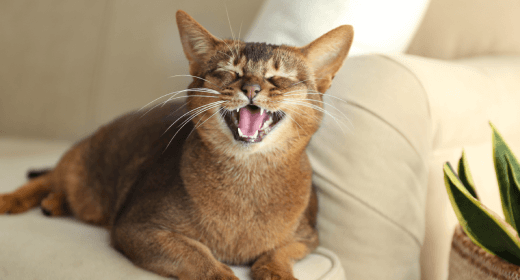
If your feline friend seems to be a chatterbox, you might be wondering what is behind your cat’s meowing. Cats are quite expressive through their meows, and the reasons can vary. A cat’s meow sound may be to seek attention, express hunger, combat loneliness, or signal stress or discomfort. Older cats may meow more due to cognitive changes, and sometimes, boredom can lead to cats meowing excessively. Paying attention to the context and your cat's specific meowing patterns can help you understand its needs and ensure its well-being.
Cats are vocal creatures, and they have an impressive range of sounds to express themselves. Here are five of the most common cat sounds and what they typically mean.
Meowing is an all-purpose communicator in cat language. Cats meow to get your attention, ask for food, or simply say hello. The tone and intensity can convey their emotions, from friendly greetings to a cat crying for urgent demands.
In cat language, this is a clear sign of displeasure or fear. When a cat hisses, it is a warning to back off, and it is best to respect their boundaries.
This quirky cat sound often happens when a cat spots a bird or other prey through a window. It's like their way of expressing excitement and frustration at not being able to catch it.
This kitten sound is a signal that your cat is feeling threatened or territorial. It is a low, guttural sound meant to deter potential intruders.
This is the sound of a cat crying, meaning it is mating season. This cat crying sound is also heard when an unspayed female is in heat. It is a cat's way of announcing its presence and seeking a mate.
Understanding these sounds can help you connect better with your feline friend and respond to its needs and emotions appropriately.
A cat’s meow sound can mean various things, from seeking attention or food to expressing discomfort or simply saying hello.
A cat’s meow sound may be due to hunger, discomfort, illness, or anxiety. It is essential to investigate the cause and address its needs.
You can encourage your cat to meow more by engaging in interactive play, offering treats, and spending quality time with it. Building a strong bond can lead to more vocal communication through your cat’s meow sound.
In cat language, purring can signify contentment. But in certain cases, it can also indicate pain, stress, or a desire for attention, depending on the context. Sometimes, it might even be confused with the sound of a cat crying when they are in distress.
Purring does not always mean your cat is happy. While it is often a sign of contentment, cats can also purr when they are in pain, anxious, or unwell.
Cats purr when cuddling to express comfort and contentment. It is their way of saying they enjoy the affection and feel safe with you.
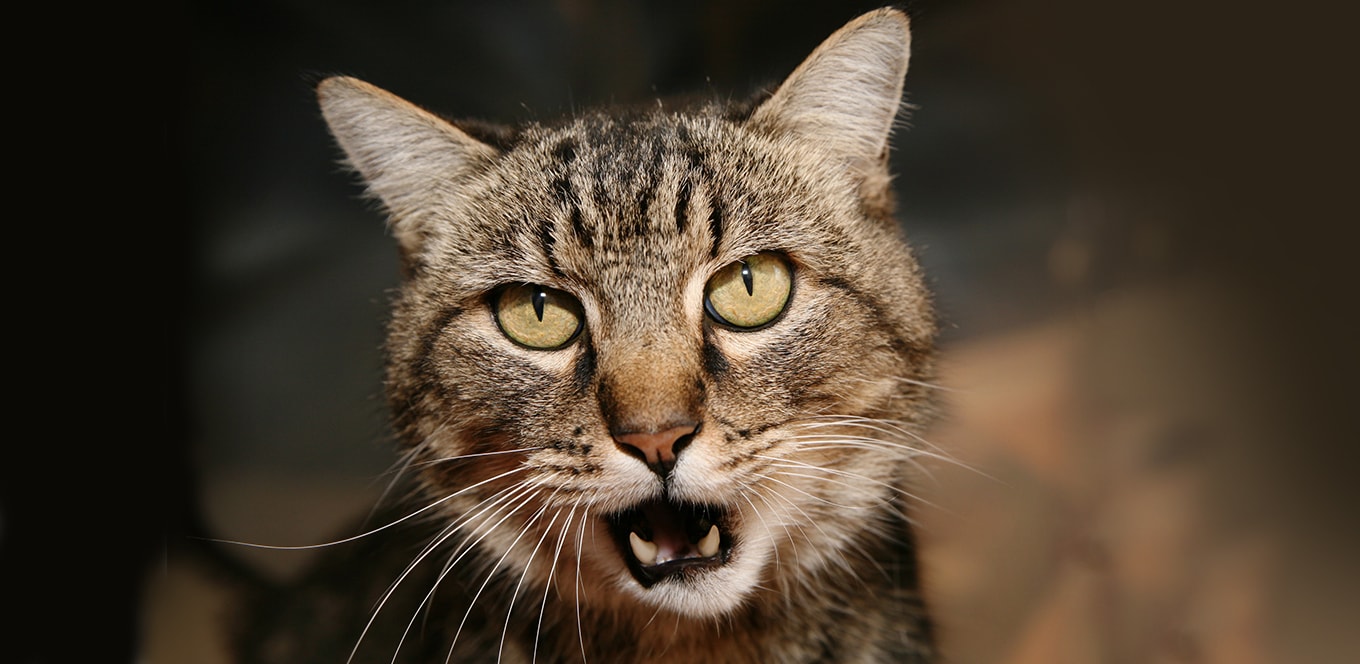
Rabies is a dangerous virus that affects the warm-blooded animal kingdom. It spreads through the bite or starch of an infected animal, making the infection easily transmissible amongst animals and humans alike. Since there is no effective rabies treatment yet, the only solution to combat this fatal virus is through vaccination. Veterinarians recommend anti-rabies vaccine for pets to protect them and their humans from this deadly virus.
Anti-rabies vaccine is one of the core vaccines for cats, in addition to the 4-in-1 cat vaccine. It helps prevent the cases of rabies in cats and kittens, contributing to the overall health of your feline friend. However, before getting your cat vaccinated with rabies injections, it is essential to know a few details about this disease and how to prevent it. So, let’s dive right into it.
The rabies virus depends on the host body for survival. As the virus cannot survive outside of the host body, it spreads through open wounds and mucous membranes in the eye, mouth, and nose. The virus transmits through the saliva of the infected animal. If a rabies carrier bites or starches your pet, then it too becomes infected with the virus. Typically, the incubation for rabies in cats ranges from a few days to a few years.
Since rabies is a deadly infection, it is imperative that you, as a cat parent, watch out for its symptoms. So, let’s take a look at a few signs of rabies in cats:
Fever
Lethargy
Low appetite
Difficulty breathing
Hypersalivation
Difficulty swallowing
Abnormal behavior
Curing rabies is not an option post-incubation as there is no proper medication available in the market yet. Hence, keeping this fatal infection at bay is of paramount importance. And how can you do that? By ensuring that your cat is vaccinated with an anti-rabies injection.
Anti-rabies vaccine for cats is a must. Veterinarians monitor rabies shots for both indoor and outdoor cats. While there is a misconception that rabies vastly affects dogs, it can find its way to cats and other warm-blooded animals as well. Cat’s rabies vaccination prepares your indoor kitty to fight the deadly virus. Hence, do not skip on annual booster shots for both indoor and outdoor cats.
While you may think, your indoor cat is safe from the fatal disease, it is best to ensure complete healthcare for its overall well-being. Cats often socialize with outside cats by licking, sniffing, or starching each other. Indoor cats can get the rabies virus if they socialize in this manner with an infected outdoor or stray cat. Anti-rabies vaccination is the best way to avoid any remote possibility of your kitty getting infected. It builds antigens in the cat’s body, so your fur baby can tackle the rabies virus.
Various brands offer anti-rabies vaccines for cats in the market. Hence, it is best to seek a veterinarian’s advice regarding vaccination. They will take multiple factors, such as your kitty’s age, breed, and lifestyle, into consideration before recommending a brand. Similarly, when it comes to the frequency of taking the anti-rabies vaccination, it all depends on the type of vaccine recommended for your pet. If your vet recommends an adjuvant vaccine, your cat might have to be inoculated once every year. On the other hand, if they suggest a non-adjuvant vaccine, you must note that these vaccines are generally administered once in three years.
Anti-rabies vaccine is one of the core vaccinations for cats. It prepares your cat to fight the virus by boosting immunity. The first dose of the anti-rabies vaccine is administered once the kitty turns 12 weeks old. After the initial dose, depending on the type of vaccine, you will need to get your feline friend vaccinated either annually or once in three years.
As a cat parent, you must know the potential side effects of this vaccine. So, let’s take a look at them:
Low-grade fever
Lethargy
Low appetite
Swelling and redness at the injected site
Cat parents should monitor not only the anti-rabies vaccine but also other core vaccines like 4-in-1 cat vaccine, FeVac 5, and 3-in-1 cat vaccine. Regular vaccination and annual health check-ups ensure your kitty leads a healthy life. So, ascertain that you provide your fur baby with all the care it requires.