Enter a keyword below to search for articles and products.


Have you ever wondered about the mysteries behind a cat's purr? It is not just a simple sound, but a blend of feline physiology at work. Cats achieve their signature purr through rapid contractions and relaxations of their laryngeal muscles, around 150 times per second. This creates that familiar, soothing and resonant sound we all adore. And as your cat takes each breath, the airflow caresses these vibrating muscles adding more depth to its purr. In this blog, we will look into the secrets behind this enchanting feline phenomenon.
Purring is a feline’s versatile tool of communication. Sure, cats purr when they are happy and comfy, but they can also purr when they are stressed, in pain, or even when they are hungry – it is like a cat crying for some attention. And here is a fun fact: mama cats purr to bond with their kittens, and kitten sounds are indicators of the little ones telling mom everything is fine.
Let us dive into the details of different cat sounds because they might just be trying to tell you something important.
Cats are like mysterious little furballs, and their purring adds another layer to the enigma. So, what exactly are they trying to convey when they turn on the purr engine?
When your cat is in its happy place – curled up on your lap or basking in a sunbeam – that gentle purring is often a sign of pure contentment. In cat language, it means, 'Life is good right now.'
Cats are known for their independent streak, but when they snuggle close and start to purr, it is a clear sign of love and bonding. It is a cat’s way of saying, 'You are my favorite human, and I adore you.'
Ever noticed your cat purring when you are in the same room but cannot see her? That is her way of announcing her presence, like a cat crying as a GPS locator, 'Don’t worry, I am nearby.'
It is not all sunshine and rainbows. Cats may also purr when they are in pain or discomfort, which can be akin to a kitten sound or cat cry, meaning something is not quite right.
Cats are remarkable self-healers, and purring may have therapeutic effects. The vibrations produced during purring may promote the healing of bones and tissues. I is their natural way of saying, 'I will make myself better,' and it is not unlike the comforting kitten sound that a mother cat makes to communicate love to her babies.
That ecstatic purring when you stroke cats’ fur or tickle them? It is the feline version of laughter. They are loving every moment of your attention, and their purr is a joyful response.
Cats have a unique ability to use purring as a stress-relief mechanism. When faced with a tense situation, they may start to purr to calm their frayed nerves. It is like their built-in stress buster.
Sometimes, it is all about the food. Cats can be quite vocal when they are hungry, and this may include the sound of a cat crying. When being loud, it could mean that the cat said it is dinnertime. It is like a polite request for a meal.
With this information up your sleeve, the next time your furry friend starts to purr take a moment to decode the message. It is like having a heart-to-heart conversation in your cat’s language!
If your feline friend seems to be a chatterbox, you might be wondering what is behind your cat’s meowing. Cats are quite expressive through their meows, and the reasons can vary. A cat’s meow sound may be to seek attention, express hunger, combat loneliness, or signal stress or discomfort. Older cats may meow more due to cognitive changes, and sometimes, boredom can lead to cats meowing excessively. Paying attention to the context and your cat's specific meowing patterns can help you understand its needs and ensure its well-being.
Cats are vocal creatures, and they have an impressive range of sounds to express themselves. Here are five of the most common cat sounds and what they typically mean.
Meowing is an all-purpose communicator in cat language. Cats meow to get your attention, ask for food, or simply say hello. The tone and intensity can convey their emotions, from friendly greetings to a cat crying for urgent demands.
In cat language, this is a clear sign of displeasure or fear. When a cat hisses, it is a warning to back off, and it is best to respect their boundaries.
This quirky cat sound often happens when a cat spots a bird or other prey through a window. It's like their way of expressing excitement and frustration at not being able to catch it.
This kitten sound is a signal that your cat is feeling threatened or territorial. It is a low, guttural sound meant to deter potential intruders.
This is the sound of a cat crying, meaning it is mating season. This cat crying sound is also heard when an unspayed female is in heat. It is a cat's way of announcing its presence and seeking a mate.
Understanding these sounds can help you connect better with your feline friend and respond to its needs and emotions appropriately.
A cat’s meow sound can mean various things, from seeking attention or food to expressing discomfort or simply saying hello.
A cat’s meow sound may be due to hunger, discomfort, illness, or anxiety. It is essential to investigate the cause and address its needs.
You can encourage your cat to meow more by engaging in interactive play, offering treats, and spending quality time with it. Building a strong bond can lead to more vocal communication through your cat’s meow sound.
In cat language, purring can signify contentment. But in certain cases, it can also indicate pain, stress, or a desire for attention, depending on the context. Sometimes, it might even be confused with the sound of a cat crying when they are in distress.
Purring does not always mean your cat is happy. While it is often a sign of contentment, cats can also purr when they are in pain, anxious, or unwell.
Cats purr when cuddling to express comfort and contentment. It is their way of saying they enjoy the affection and feel safe with you.
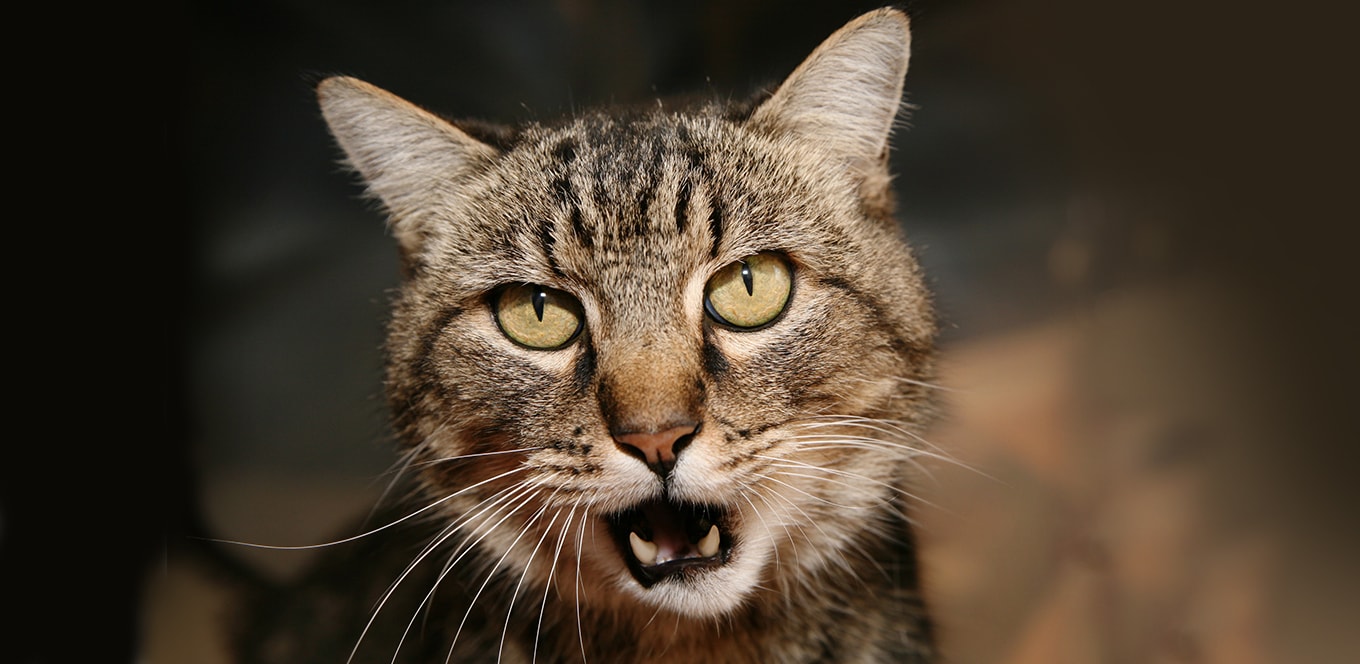
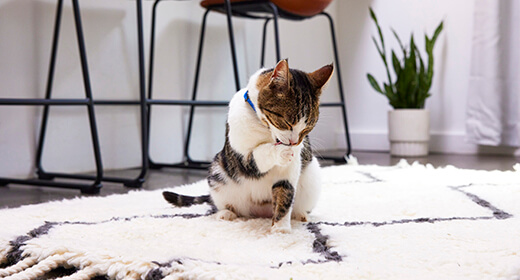
If you share your living space with a feline friend, you’ve likely experienced the fascinating yet perplexing world of cat nails. From the loud, rhythmic sound of scratching that greets your early morning to those tiny prods every now and then, the claws of cats are as intricate as they are functional. Let's take a journey together to understand why cats scratch and learn how to cut a cat's nails.
First and foremost, let's understand why your cat is a passionate ‘cat clawing expert’. Cats scratch for various reasons, including claw maintenance, exercise, marking territory, and even attention-seeking. Scratching enables them to remove the outer husk of their claws, revealing a sharp new surface underneath. Additionally, scent and sweat glands in their feet produce a unique smell, which is deposited when they scratch, marking their territory - a clever, multi-purpose act, isn't it?
If you're wondering, 'how much cat clawing is too much?', you're not alone. Many cats scratch indoors due to limited outdoor access, comfort, or safety concerns. If you find your cat scratching extensively, especially around doorways and windows, it could be a sign of insecurity or anxiety.
Spotting when your cat's nails are too long is crucial. Overgrown cat nails can cause injuries to their paw pads, lead to changes in gait which can affect their joints, and cause damage to your furniture. Generally, indoor cats require nail trims every couple of weeks, whereas outdoor cats may need them less frequently.
When it comes to cutting cat nails, creating a calm environment is key. Choose a quiet spot and find a comfortable position for you and your cat. You could try trimming their nails when they're sleepy or relaxed, like after a meal. Avoiding distractions such as windows or other pets can also make the process smoother.
Get your cat used to paw handling. Gently hold and rub their paw daily for a few seconds. If they're comfortable, extend a nail and reward them with a treat. This slow, rewarding process will make them more amenable to cat nail trimming.
When learning how to cut a cat's nails, it's important to familiarize your cat with the nail clipper. Let them see and sniff it to reduce anxiety. You could also familiarize them with the sound of the clipper by cutting a piece of dry spaghetti near their paw. Always remember to reward their calm behavior.
Now it's time to clip. Carefully isolate the nail to cut and note where the quick is -- a vein that can cause pain and bleeding if cut. Cut the nail at a 45-degree angle, starting with the very tip. Be patient and careful not to cut the quick.
This isn't a race, so take your time when clipping cat nails. If your cat becomes agitated after a few nails, stop the session, and try again later. Forcing the process can cause stress and erode trust.
Maintaining a consistent cat nail trimming schedule is vital. As a rule of thumb, trim their nails once every one and a half to two weeks. But remember, every cat is different, so adjust as necessary. If you struggle with the process, seek advice from a professional groomer or veterinarian.
To keep your beloved furniture intact, providing an acceptable alternative to your cat's claws is crucial. A cat scratching post, sturdy and tall enough for the cat to stretch fully, is an excellent solution. These scratching posts mimic the texture and orientation (horizontal or vertical) of their preferred scratching area, redirecting their cat clawing behavior.
Kitten nail trimming is similar to adult cat nail trimming, but with a few modifications. Firstly, begin the process of desensitizing their paws early. Show them the nail clipper and make sure it's not a source of fear. When cutting kitten nails, remember they're smaller and softer, so be extra cautious. And, don't forget the kitten scratching post. It's never too early to provide alternatives for their clawing needs.
With these steps, you're now well-equipped to take care of your cat's claws. Remember to stay patient and calm during the process, and always reward your cat for their cooperation. In no time, you'll become a pro at handling your feline friend's claws, ensuring their comfort and wellbeing.